VETENSKAPLIGT PROGRAM 2026
Nedan finner du det digitala vetenskapliga programmet för 2026 års Vårmöte. Programmet uppdateras löpande fram till mötets start, så vi rekommenderar att du tittar in här igen för att ta del av eventuella förändringar och tillägg. Förändringar kan komma ske in i det sista. Lokal för sessionerna fastställs i mars/april.
Organisationskommittén vill rikta ett varmt tack till alla som har skickat in engagerade och genomarbetade förslag. Det är genom era bidrag, idéer och ert engagemang som vi tillsammans skapar ett aktuellt, relevant och inspirerande Vårmöte. Vi ser fram emot att samlas och dela kunskap, erfarenheter och nya perspektiv.
Klicka här för att ladda ner ett översiktsschema i utskriftsvänligt format.
Programmet uppdaterades senast: 14 april, 2026
LADDA NER VÅR APP
Här har du koll på program, utställare, abstract, socialt m.m. Du kan lätt skapa ditt eget program genom ’Mitt möte’
.

ÅRETS WERKÖFÖRELÄSARE
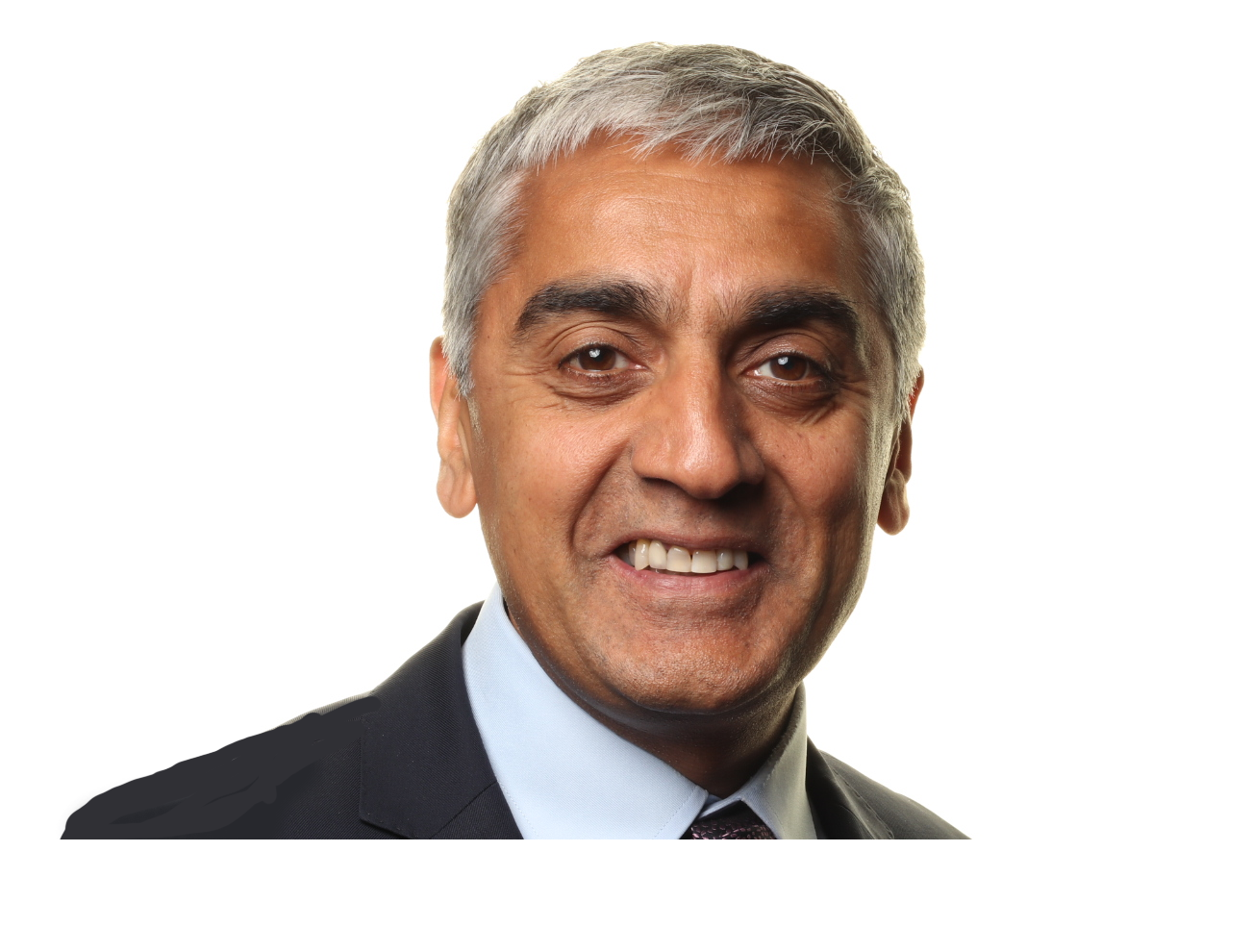
Professor Sanjay Sharma O St John, BSc (Hons), MD, FRCP, FESC
Sanjay Sharma is a Professor of cardiology at City St George’s, University of London and St George’s NHS Foundation Trust and a Consultant Cardiologist at Cleveland Clinic London. His interests include heart muscle disease, sudden cardiac death in the young, and sports cardiology, for which he has an international reputation. He is one of the most prolific cardiologists worldwide in his field of research, with over 400 publications on PubMed (Google Scholar h-index: 104). He is the lead author for the International recommendations for ECG interpretation in athletes and co-chaired the 2020 European Society of Cardiology Guidelines in Sports Cardiology.
Professor Sharma leads a large tertiary inherited cardiac diseases programme serving Southeast England. He is the director of the largest sports cardiology unit in the UK, responsible for athletes with potentially serious cardiac conditions from the English Football Association, rugby league, the Lawn Tennis Association, and the English Institute of Sport. He serves as the cardiology advisor and chairman of the English Football Association's expert cardiac committee. He is the medical director of the London Marathon Events and has been commended for providing one of the world's best medical services for endurance events. He was awarded membership of the Venerable Order of St John for his services to St John Ambulance in supporting the medical welfare of the runners. Professor Sharma was the lead cardiologist for the 2012 London Olympics and provided medical services for all endurance sports.
EXERCISE: IDEAL THERAPY OR BITTER PILL?
The cardiovascular benefits of exercise are well established, and individuals who exercise regularly reduce their risk of adverse events associated with coronary artery disease by 50% and gain at least 3 additional years of life. The intensity of exercise required to achieve these benefits is 6-8 METS, which equates to walking briskly or jogging slowly for 30 minutes 5 times per week. Competitive athletes, particularly those participating in endurance events, engage in physical activity at much higher intensities for up to 20 hours per week.
The potential hazards of intensive exercise are occasionally highlighted by the sudden cardiac death of an individual during or immediately after exercise; however, such catastrophes are rare, largely striking athletes harbouring arrhythmogenic substrates. Despite the emotive visibility afforded by these deaths in the media, exercise is regarded as a mere trigger for arrhythmia but never directly incriminated in the pathogenesis of the fatal substrate.
The past 2 decades have witnessed an extraordinarily engaging athletic milieu in which seemingly humanly impossible achievements seem infinite. In parallel, multiple reports have documented adverse cardiac remodelling and arrhythmogenic substrates in a small minority of endurance athletes.
This lecture will describe the relationship between exercise dose and cardiac health.
Onsdag 22 april kl. 17.05 i sal M2

SVENSKA HJÄRTFÖRBUNDETS SYMPOSIUM
Vårdens största riskfaktor - ledarskap utan hjärta
Alla känner någon regionanställd som valt att byta arbetsgivare.
Olika anledningar styr valet t ex att få högre lön men är det avgörande?
Vad kännetecknar en bra arbetsplats?
Hur gör man arbetsplatsen attraktiv och/eller stimulerande
Hur tar man vara på all kompetens som finns "på golvet"?
Varför ska man bli ledare/chef? Vad lockar? Kan man som chef påverka?
Torsdag 23 april kl. 11.40-12.40 i sal M2